Let’s say you get a ticket and decide to fight the ticket because you feel like it was wrongfully given. The upside is you win, and the case is dismissed. If you lose, however, it means you are responsible for the full fine, court costs, and any state surcharges. If you are deciding whether to contest a ticket, understanding the full consequences matters. Read on to see exactly what happens after a loss, how it affects your record, and when fighting still makes sense.
Let’s start with the upside. If you fight the ticket and win:
That possibility alone is why many drivers explore how to fight speeding tickets instead of automatically pleading guilty. Now let’s examine the other outcome.
If the judge finds you guilty after a hearing, you are convicted of the violation. That conviction activates penalties tied to the offense. You are not punished for contesting the ticket. However, once convicted, the consequences are the same as if you had pleaded guilty. When you lose in court, you pay:
Let’s dive into it a bit more.
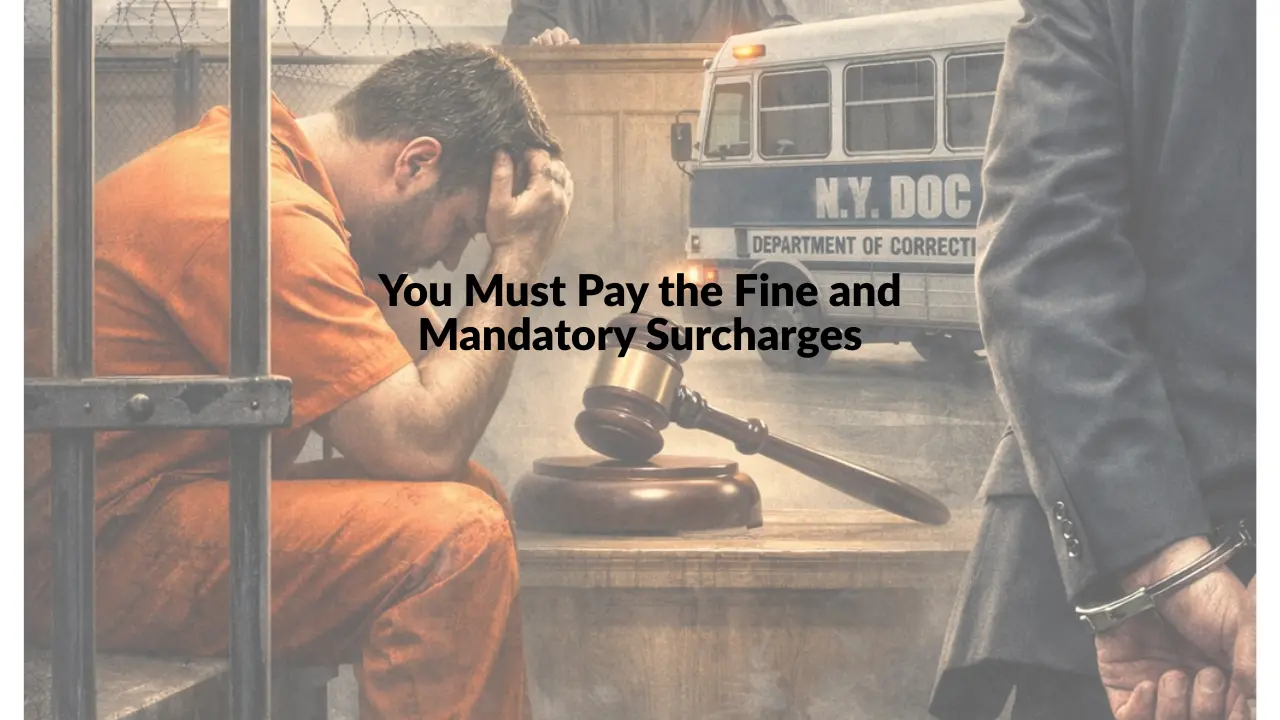
In New York, if you lose a traffic ticket dispute, you will owe:
For example, under New York’s point system:
Fines increase with speed and prior convictions. In addition, New York applies a state surcharge on most traffic convictions. The financial penalty becomes final once the conviction is entered.
Points often carry more long-term risk than the fine itself. In New York:
The Driver Responsibility Assessment starts at $300 over three years, plus additional fees for each point above six. In New Jersey, point accumulation can similarly trigger surcharges or suspension through the Motor Vehicle Commission. If your goal was to avoid points on your license, losing means those points are now active.
Insurance impact is where most drivers feel the real cost. Insurance companies regularly review driving histories at renewal. A moving violation signals increased risk. Depending on severity, your insurer may:
These increases can last three to five years. A speeding ticket defense loss may cost hundreds in fines but thousands over time in insurance increases. Serious violations requiring DUI ticket help can carry even greater consequences, including policy non-renewal.
If you hold a CDL, losing a traffic case can impact more than your personal record. A conviction may:
In Pennsylvania, traffic violations are governed under Title 75 of the state law. The state uses a point system and escalating penalties for repeat offenses. If you plead not guilty and lose, you are convicted of the offenses:
Most speeding violations carry 2 to 5 points. Accumulating 6 or more points triggers a PennDOT review process, which may require:
If you reach 11 points, your license may be suspended.
Insurance companies in Pennsylvania evaluate violations based on severity. Higher speed thresholds and reckless driving can cause multi-year premium increases.
More serious violations, such as DUI or excessive speeding, can result in longer suspensions, mandatory programs, and higher financial penalties. Drivers in Pennsylvania should understand that points and insurance consequences operate independently of the court fine. Even a seemingly minor conviction can trigger a longer-term financial impact.
In most states, such as New York, New Jersey, and Pennsylvania, you generally have the right to appeal. However:
Appeals can be complex and time sensitive.
Fighting may make sense if:
If losing would trigger a suspension or major insurance increase, contesting the charge may still be worth the risk.
| Scenario | Plead Guilty | Fight and Lose |
|---|---|---|
| Fine | Pay fine | Pay fine |
| Points | Applied | Applied |
| Insurance impact | Likely | Likely |
| Court time | Minimal | Required unless represented |
| Chance of dismissal | None | Yes |
The difference is opportunity. When you submit a ticket to Flickit, you create the possibility of dismissal or reduction before conviction.
Parking ticket help operates differently from moving violations. Parking violations:
For frequent city drivers enrolled in Flickit Pro NYC parking, managing disputes proactively prevents administrative complications.
When you fight a ticket, preparation matters. Typically, you must:
Possible defenses may include:
If you represent yourself and lose, the conviction stands. Strategic representation increases the likelihood of dismissal or reduction.
If you fight a traffic ticket and lose, you will:
The bigger mistake is pleading guilty without understanding the long-term cost. Your license affects your record, your insurance, and, for many drivers, your livelihood. A few minutes today can prevent years of higher premiums, points, and stress. Submit a ticket to Flickit for a professional review. Or contact a traffic ticket attorney for support through our traffic ticket solution platform.

 Call Now
 Whatsapp us